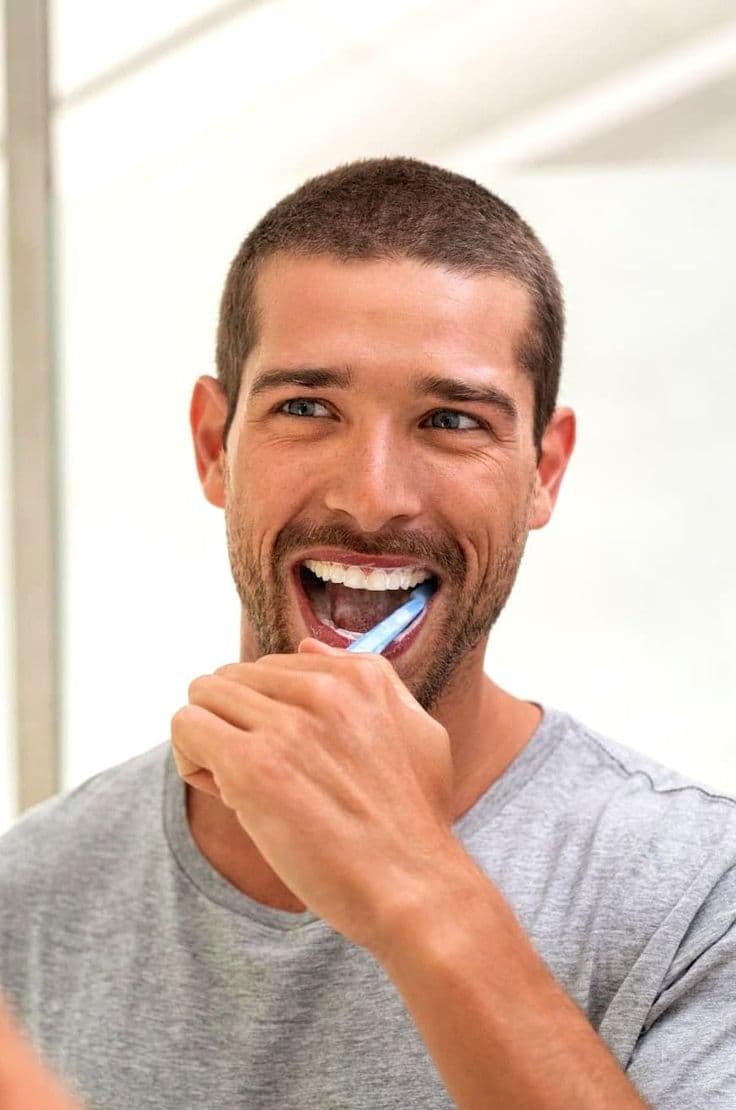

Whiter teeth can improve how clean, healthy, and polished your smile looks, but chasing fast results with harsh products often causes more problems than it solves. The safest approach is to improve daily habits, reduce staining, and use whitening methods carefully.
Why Teeth Lose Their Brightness
Teeth can look darker over time because of coffee, tea, smoking, poor oral hygiene, certain foods, and the natural wear that happens as you get older. In many cases, yellowing is not just dirt. It is a mix of staining and how the tooth surface changes over time.
Start With the Basics First
- Brush properly twice a day
- Floss daily
- Clean your tongue
- Drink water after staining drinks
- Get regular dental cleanings if possible
What Actually Helps Teeth Look Whiter
The safest whitening progress usually comes from a combination of better cleaning habits and moderate whitening, not aggressive overuse. If you skip the basics, whitening products tend to matter less.
Common Whitening Options
- Whitening toothpaste: useful for surface stain support, but usually mild
- Whitening strips: often one of the most practical at-home options
- Professional whitening: stronger and faster, but more expensive
- Dental cleanings: can improve brightness by removing buildup and surface stains
💡 The goal is not paper-white teeth. The goal is cleaner, brighter teeth that still look natural.
How to Whiten More Safely
- Follow product directions instead of doubling usage
- Avoid using multiple whitening products at the same time
- Pause if your teeth become very sensitive
- Focus on consistency instead of forcing quick results
What to Avoid
- Overusing whitening products every day for too long
- Scrubbing teeth aggressively with abrasive products
- DIY internet trends that can damage enamel
- Expecting whitening to fix shape, alignment, or deeper dental issues
How to Reduce New Stains
Even good whitening results fade faster if daily habits stay the same. Coffee, tea, dark sodas, tobacco, and poor oral hygiene can all make teeth lose brightness again.
- Rinse with water after coffee or tea
- Avoid letting staining drinks sit on the teeth for long
- Brush on a regular schedule instead of randomly
- Use a straw for darker drinks when practical
When Whitening Is Not the Main Issue
Sometimes teeth do not look better just because of color. Buildup, uneven shape, crowding, and gum health can affect your smile more than shade alone. In those cases, whitening helps less than improving overall oral care.
When to Ask a Dentist
If you have strong sensitivity, visible enamel concerns, gum irritation, or you are unsure whether a product is safe for you, it is smart to ask a dentist before pushing further.
The Smarter Long-Term Approach
Whiter teeth look best when they come from a healthy routine, not constant over-whitening. Build good cleaning habits, use whitening moderately, and aim for a brighter natural smile instead of an artificial one.