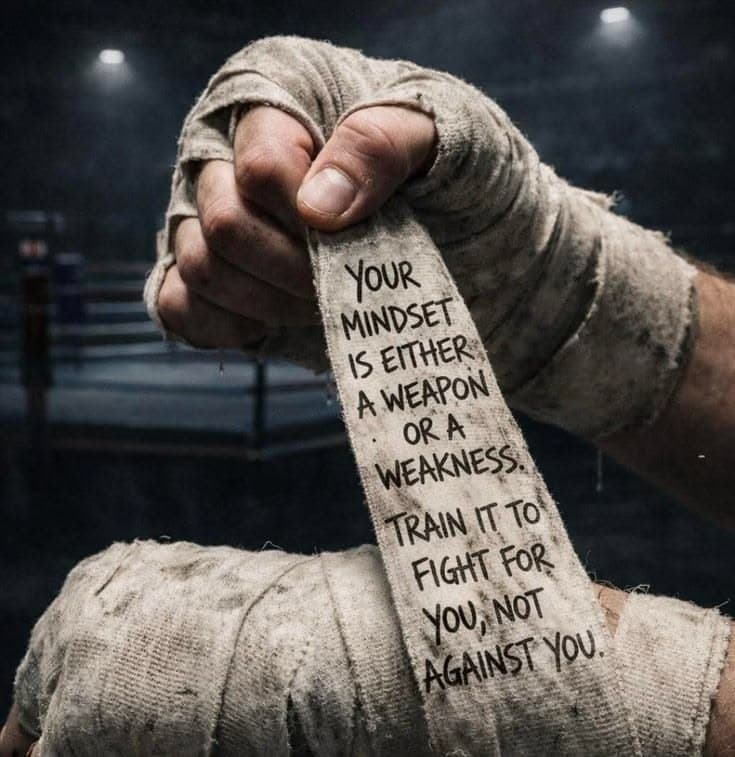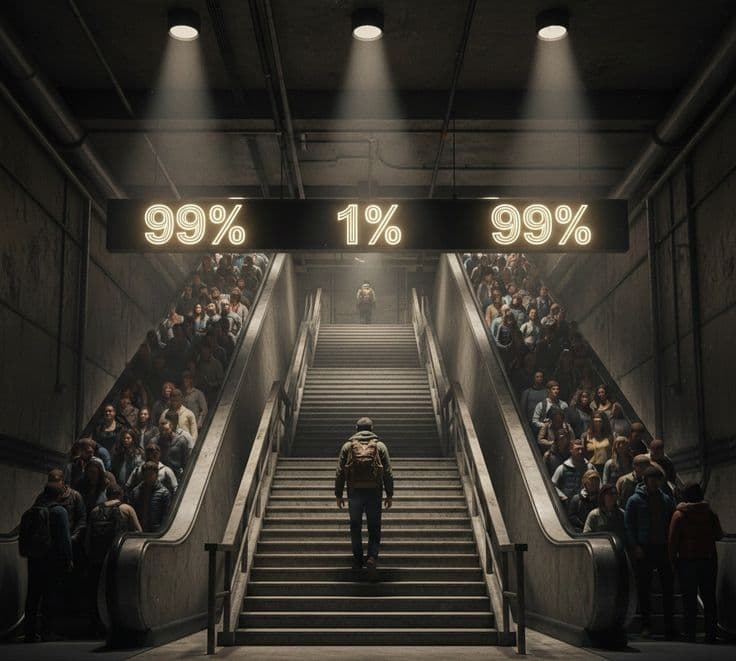

Wanting to look better is normal. The problem starts when every mirror, photo, or social situation turns into a mental battle. At that point, appearance stops being something you improve and starts becoming something that controls too much of your attention.
Why Appearance Overthinking Happens
A lot of overthinking comes from constant comparison, too much self-monitoring, and the habit of treating every small flaw like a major problem. Social media, bad photos, stress, and low self-trust can make that pattern worse.
What Overthinking Usually Looks Like
- Checking mirrors or front camera too often
- Thinking about one feature for hours
- Assuming other people notice every small detail
- Letting one bad photo ruin your mood
- Feeling like confidence depends on looking perfect
💡 Improvement is healthy. Obsession usually is not. The goal is to care without letting appearance dominate your whole day.
Most People Notice Less Than You Think
When you are focused on one feature, it can feel huge in your mind. In reality, most people are not analyzing you the way you analyze yourself. They usually notice the overall impression more than tiny details.
Why Perfection Thinking Makes It Worse
If your standard is perfect skin, perfect hair, perfect angle, perfect lighting, and perfect confidence, you will always feel behind. That kind of standard creates more anxiety than progress.
A Better Way to Think About Appearance
- Focus on improvement, not perfection
- Work on a few high-impact habits instead of ten tiny flaws
- Judge progress over weeks and months, not every hour
- Remember that overall presentation matters more than one small detail
What Actually Helps
The best way to reduce overthinking is usually to create a simple improvement system and then stop checking constantly. When your habits are steady, your mind has less reason to panic about every moment.
- Have a simple grooming routine
- Train and sleep consistently
- Improve style and posture gradually
- Limit random checking in mirrors or camera
- Spend more time living than monitoring
Reduce the Triggers
Sometimes the problem is not your appearance. It is the environment that keeps pulling your attention toward insecurity. Too much comparison content, too many selfies, or constantly checking your reflection can keep the cycle going.
- Reduce exposure to appearance-focused comparison content
- Stop taking and reviewing endless photos of yourself
- Use mirrors for practical checks, not constant judgment
- Give yourself fewer chances to spiral over details
Build Identity Beyond Looks
Appearance matters, but it should not be the only thing holding your confidence together. Competence, discipline, communication, energy, and how you treat people all shape how you come across.
A Practical Reset Routine
- Choose two or three appearance habits that actually matter
- Stop checking mirrors or camera constantly
- Track progress weekly instead of daily
- Put more energy into training, sleep, and real life activity
- Remind yourself that looking better is a process, not a daily test
When to Be More Careful
If thoughts about your appearance are taking over your day, affecting your mood constantly, or making it hard to focus on school, work, or relationships, it may help to talk to a trusted adult or mental health professional. Sometimes the problem is bigger than grooming or style alone.
The Better Long-Term Goal
You do not need to stop caring about how you look. You just need a healthier relationship with it. Improve what you can, let go of the constant checking, and build a life where appearance supports your confidence instead of controlling it.