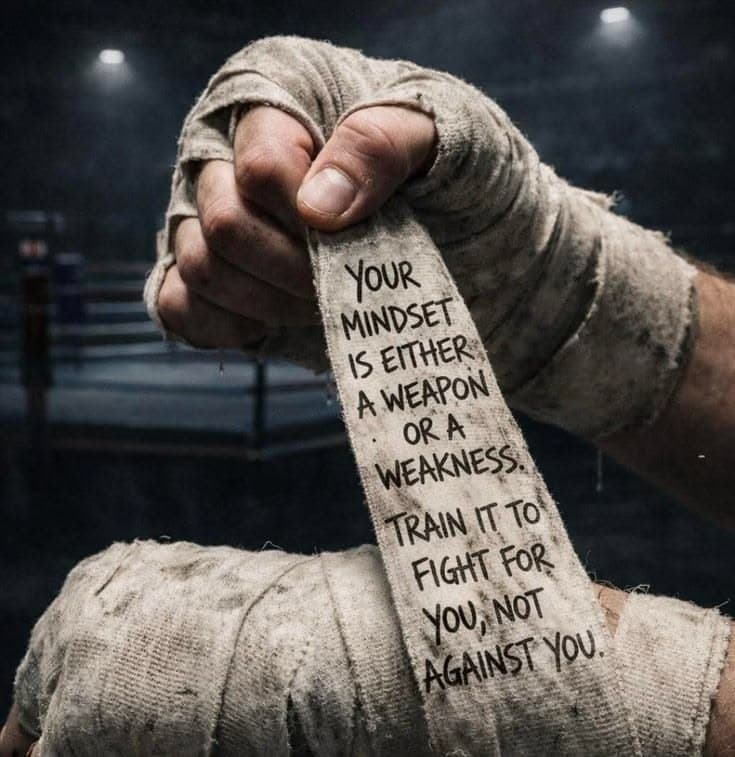

A lot of people do not fail self-improvement because they are lazy. They fail because they build plans that are too intense, too emotional, and too hard to repeat once real life gets in the way.
Why Most Self-Improvement Plans Collapse
Many people try to change everything at once. They go from no structure to a perfect routine overnight, and when they cannot keep that pace, they feel like they failed. In reality, the plan failed first.
The Common Pattern
- Get highly motivated after watching content or feeling bad about yourself
- Create a strict plan with too many changes at once
- Follow it intensely for a few days
- Miss one or two days
- Feel guilty and quit instead of resetting calmly
💡 Consistency usually dies when the plan depends too much on emotion and not enough on structure.
Motivation Is Not Enough
Motivation can help you start, but it is unreliable as the main engine. Some days you will feel driven. Other days you will feel tired, distracted, or lazy. A system that only works on good days is not a real system.
Why Simpler Plans Win
A smaller plan is easier to repeat. That matters more than how impressive the plan looks on paper. Three habits done consistently for months will usually beat ten habits done for one week.
- Train three times a week instead of promising seven
- Fix your sleep schedule before adding five more routines
- Improve your diet with repeatable basics instead of perfection
- Choose one grooming or self-care upgrade and keep it steady
Stop Using All-or-Nothing Thinking
One bad day does not erase your progress. A missed workout, a lazy weekend, or a rough week is normal. The real damage happens when one imperfect day becomes an excuse to abandon the whole plan.
What Actually Helps You Stay Consistent
- Make the plan realistic enough for low-energy days
- Reduce friction between intention and action
- Track progress simply
- Keep habits visible and easy to start
- Recover fast after mistakes instead of overreacting
Build Around Your Real Life
A good self-improvement system fits your real schedule, not your fantasy version of yourself. If your work, school, energy, or routine is unstable, your plan should still be flexible enough to survive that.
A Better Weekly Structure
- One or two key fitness goals
- One grooming or appearance goal
- One mental or discipline goal
- One sleep or recovery improvement
- A weekly review instead of daily self-judgment
What Makes Habits Easier to Keep
- Doing them at the same time each day
- Keeping tools and products easy to reach
- Lowering the starting barrier
- Removing the idea that every day must feel perfect
You Need Proof That You Can Rely on Yourself
Consistency builds self-trust. Every time you keep a realistic promise to yourself, you become a little more stable. That stability matters more than short bursts of hype.
A Smarter Reset Method
When you slip, do not restart your whole identity. Just return to the next action. Missed workout? Train tomorrow. Bad eating day? Eat better at the next meal. The faster you reset, the less damage a bad day can do.
The Better Long-Term Approach
If you want self-improvement to last, stop building routines that only work when you feel inspired. Build a system that works even when you are average, busy, or imperfect. That is what creates real change.